Indoor Cats & Fleas – A Complete Guide to Treatment & Prevention
Aug 04, 2026

Indoor cats may seem immune to fleas, but the reality is very different. These tiny parasites are expert hitchhikers. They can ride on your shoes, clothes or other pets and hide in bedding, carpets and furniture. They can even make their way through open windows and balconies, and once inside, they can quickly turn your cat's safe space into a breeding ground. Since indoor cats often hide their discomfort well, many pet parents only notice an infestation when it has already spread throughout the home.
In this comprehensive guide, we will understand the flea life cycle, how indoor cats get fleas and explore simple treatment and prevention tips that actually work. Whether you live in a house with a single cat or multiple pets, this guide will help you safeguard your indoor cat from fleas and keep them happy, healthy and comfortable.
Let's get started!
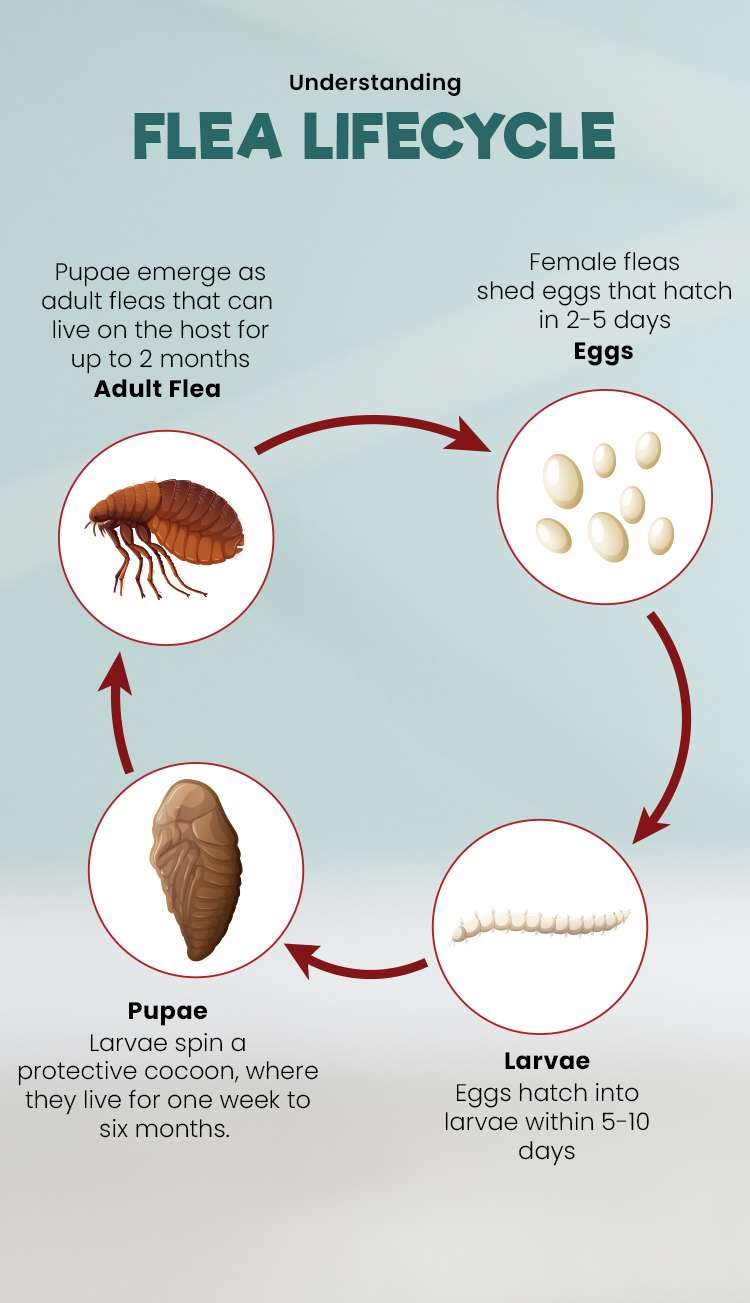
Adult fleas lay eggs within 24-48 hours, and the cycle begins again.
How Do Indoor Cats Get Fleas?
Indoor cats can get fleas in several ways. Let's have a quick look:
1. Other pets in the household
Fleas jump from one host to another very quickly, and if your cat lives in a multi-pet household, they are at risk of getting fleas from other pets. Dogs or cats that go outdoors can bring fleas into the house, where they can lay eggs, which fall off your pet and onto carpets, furniture and bedding. Furthermore, sharing blankets, bedding and scratching posts with other pets can also spread flea infestations.
2. Moving into a new house
Moving into a new house can increase the risk of flea infestations, as previous homeowners might have had fleas in the home. Flea pupae can remain dormant for months, waiting for the right conditions to hatch into adult fleas and attack your cat.
3. Vet's clinic or groomer
Your indoor cat's visit to the veterinary clinic, pet groomer or boarding facility increases the risk of flea infestations. Your cat can pick up fleas from any place an infected pet came into contact with. Make sure you always choose a well-maintained veterinary clinic to reduce the risk of transmission.
4. Rodents in the garden
Cats love playing in the garden, where transmission from mice and rats is higher. Infested rodents can drop flea eggs and larvae, which can hatch over time and infest your indoor cat.
5. Transmission from humans
You can also transfer fleas to your feline friend by hitchhiking them on your clothes, shoes, or bags whenever you visit a flea-infested place.
Flea treatment & prevention tips
Let's have a rundown on some easy yet effective tips to treat and prevent fleas and ensure your cat's comfort and protection:
- Administer flea preventives: Incorporate flea preventive treatments according to your cat's lifestyle and preferences to eliminate existing fleas and prevent future flea infestations. Frontline Plus for Cats, Bravecto Spot-on, Capstar, NexGard Combo, and Seresto Collar for Cats are some of the popular options that you can choose from.
- Monitor other pets: If you have other pets that go outdoors, check them for fleas once they return home to reduce the risk of transmission.
- Use flea combs: Check your cat's fur regularly for fleas. You can also conduct a white towel test by passing a flea comb through your pet's fur. The white towel will make it easier to spot any flea dirt (or fleas) falling off your cat.
- Maintain proper hygiene: Fleas tend to hide in bedding, carpets, and furniture. Therefore, make sure to vacuum furniture and wash bedding regularly with hot water and a pet-safe disinfectant.
- Mow the lawn: Fleas also hide in long bushes and grass and can attack your cat when they are outdoors. Therefore, mow your lawn regularly to keep fleas away from your furry mate.
- Focus on grooming: Keep your cat properly groomed by trimming, shampooing, and brushing their coat regularly. This helps prevent fleas from burrowing deep into their coat and spreading.
- Consider pest control: Pest control is an effective way to eliminate existing fleas and prevent future infestations, especially when the infestation is severe. Professional pest control services are beneficial when fleas have spread throughout the home.
- Schedule regular vet visits: Take your kitty for regular vet visits to detect potential health problems and receive necessary treatment before the condition becomes serious.

The Bottom Line
Other than pain and discomfort, fleas can cause allergies, skin infections, anemia, and, tapeworm infections. Fortunately, with the right approach, you can protect your cat from these parasites.
Frequently Asked Questions (FAQs)
Q1. Can my indoor cat get fleas if they never step out?
Ans. Yes, indoor cats can get fleas even if they never go outside. Fleas can enter your home in several ways. Once inside your home, fleas can jump onto your cat, hide in bedding, carpets and furniture, and start reproducing.
Q2. What are the symptoms of flea infestation in cats?
Ans. Constant scratching, hair loss, red or inflamed skin, excessive grooming, and the presence of flea dirt (flea feces) in your cat's fur are some of the common signs that cats exhibit when they have a flea infestation.
Q3. How to recognize fleas on your cat?
Ans. Fleas often hide in different specific areas of your cat's body. Here are some common places to look for:
- Under the armpits and chin
- Behind the neck
- Base of the tail
- Between the inner thighs
- In the groin
- On the abdomen or lower back
- Hind legs, especially near the top
- Around the ears and head
Q4. Is it common for an indoor cat to get fleas?
Ans. Although less common than in outdoor cats, indoor cats can still get fleas through various means. Fleas can enter your home by hitchhiking on other pets, your clothing, or your shoes. Cats can also potentially get fleas when they go places outside the home, such as the groomer or a veterinary clinic.