Dec 02, 2025

Just like humans, dogs also suffer from arthritis, a common joint condition with no permanent cure. What makes it worse? Dogs don't come up and tell you when they are in pain. As a responsible pet parent, you should educate yourself about this chronic joint condition and take necessary steps to prevent and manage the condition before it gets too severe.
In this blog post, we will explore everything related to arthritis in dogs, from symptoms to prevention, so that you can ensure the vitality and longevity of your four-legged companion.
Arthritis, also commonly known as Osteoarthritis or degenerative joint disease, is a chronic joint condition that causes degeneration of cartilage, a cushion that supports two bones between the joints, resulting in pain, inflammation and restricted movements. Although arthritis can affect any body part and can occur at any age, it usually affects the spine and limbs and is more prevalent in older dogs.
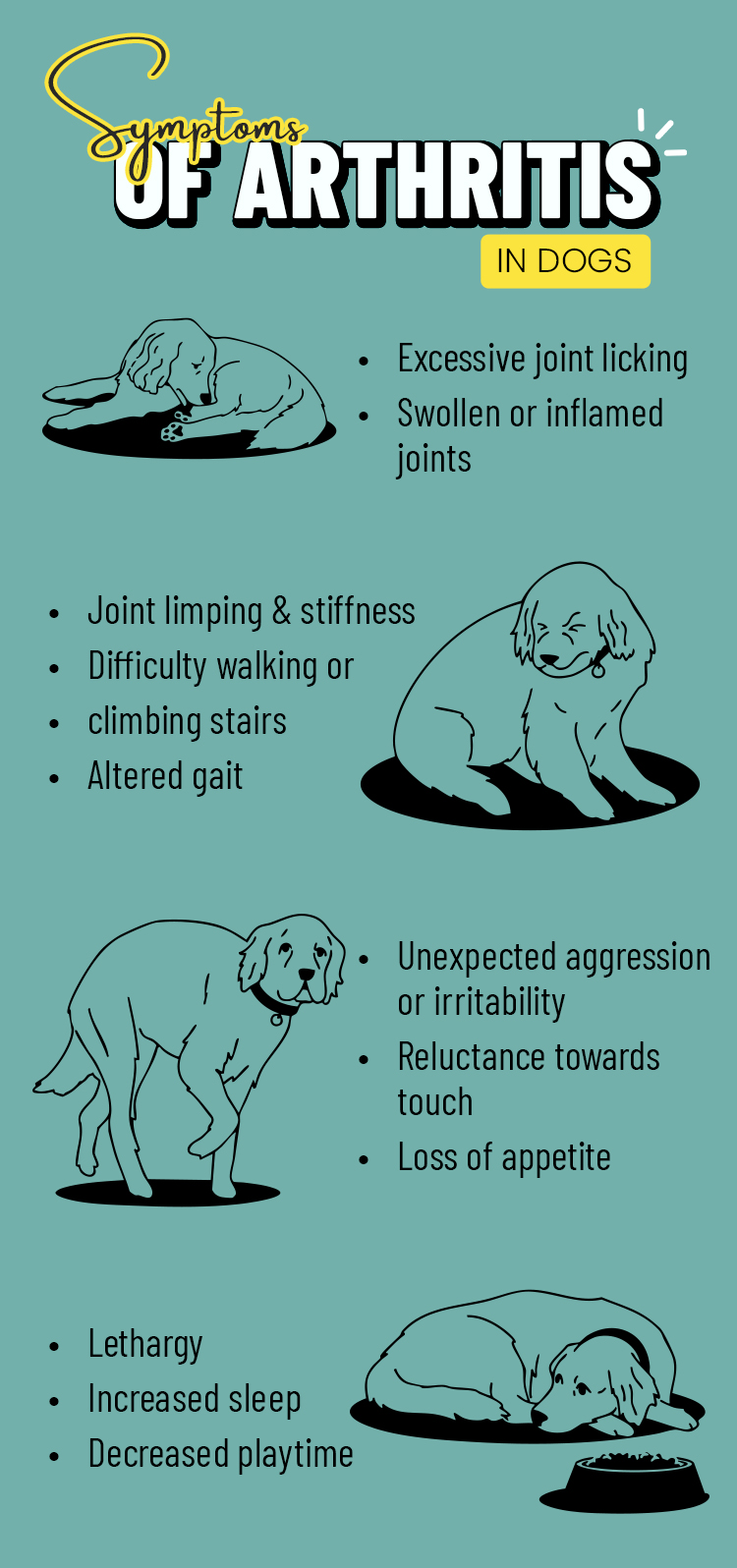
Here are a few common causes of Arthritis in dogs:
Listed below are some simple ways to manage and prevent arthritis and maintain your canine's joint health:
1. Maintain a healthy weight: Keeping your dog at a healthy weight plays a significant role in maintaining joint health and enhancing mobility. Excessive weight puts extra pressure on the joints, leading to increased pain and inflammation. Therefore, focus on weight management to prevent arthritis and promote healthy joints.
2. Ensure regular exercise: Regular, moderate exercise goes a long way in keeping your pet's joints healthy as well as maintaining their overall well-being. Irrespective of age and weight, indulge your pet in regular physical activity. Regular walking, running, swimming, hiking, etc., according to their preferences and health conditions ensure strong bones and healthy joints.
3. Feed a nutritious & balanced diet: A wholesome and balanced diet filled with essential nutrients not only promotes energy levels and supports overall growth and development, but also enhances joint health. Feed them a diet rich in omega-3 Fatty Acids, glucosamine and chondroitin and anti-inflammatory nutrients. Consult a veterinarian for personalized dietary recommendations.
4. Administer joint supplements: A dog's diet may lack essential nutrients required for healthy and thriving joints. The role of joint supplements becomes crucial here. Arthrimed Joint Supplement Powder, Arthritis Care Tablets for Dogs and GCS Joint Care Advanced Powder are some of the effective and popular dog joint care supplements that you can consider for your four-legged companions. However, always consult your vet before administering any supplement for better results.
5. Provide soft, cushioned bedding: A warm, soft and cushioned bed allows your canine to relax and helps relieve joint pain and discomfort. Moreover, a memory foam bed alleviates joint soreness, reduces muscle tension and promotes restful sleep.
6. Keep water & food bowls at a reasonable height: Place your dog's water and food dishes at an appropriately elevated place to prevent them from bending while eating as it puts strain on the joints (especially neck and front leg), causing pain and inflammation. You can buy breed-specific dish holders and stands for making mealtime comfortable.
7. Put rugs & mats on slippery surfaces: Hardwood and tiles are slippery and can be harmful for dogs suffering from arthritis. Place anti-skid rugs and mats on their most visited or favorite spots for ease of movement and to prevent accidents. Additionally, carpets or rugs on the floors offer a strong grip for better movement.
8. Seek professional help: If your dog's pain and arthritis symptoms become unmanageable, it is essential to seek professional guidance for alleviating pain and improving mobility. Also, make it a habit to take your dog for regular vet visits, as it may help in detecting potential diseases, at an early stage and provide timely treatment.
Sadly, there is no permanent arthritis treatment available for dogs, but the good news is that it can be managed and prevented with adequate knowledge and the right approach. From regular exercise to joint care supplements, follow the above-mentioned tips to maintain your canine's joint health and improve their quality of life. Watch out for symptoms and if you find anything unusual, speak to the veterinarian for tailored recommendations.